Market Recap: 23-27 March 2026
Review of Financial Markets
US Stock Market
The US stock market indices dipped for the fifth consecutive week and are now entering correction territory. The S&P500 and the NASDAQ 100 lost 1.9% and 3.2%, respectively. The small cap index (Russel 2000) fell just 0.3%. Trading volumes have been slightly higher than average – but not panic-like.
Commodities
Gold had a big intra-week dip, but closed the week unchanged – remaining around the 4.5k$/oz level. This week silver gained 2.7% and currently hovers around 69$/oz. After months of a bull run, the metals are now correcting and liquidity will be king going forward!
WTI crude oil fluctuated between 84-101$ per barrel – another turbulent week – and closed almost unchanged, at 101$/bbl. Just 5 weeks ago oil was around 67$/bbl!!! US natural gas is stable and around 3$, but in Europe, the price has doubled since 4-5 weeks ago.
Bitcoin lost 1.3% for the week and is now around 67k$, a price range that should act as a short term support, unless overall liquidity starts drying up.
US Dollar, Money Supply
The relative strength of the US dollar (DXY) rose slightly to 100.1. The EUR/USD is around 1.151$, the GBP/USD is at 1.326$, and the USD/JPY is at 160.32 JPY.
US M2 money supply in February was at 22.67T$, still on a growth trend, showing a continuous increase in the money supply since December 2023. If the money supply starts going down, it will be a confirmation of the credit cycle reaching a turning point.
The national financial conditions index (NFCI) released on 16th of March 2026 shows the tightening of financial conditions by 2.7%. Financial conditions will likely continue on a tightening trend as long as the international geopolitical and energy situation is not stabilized. Note that this indicator is delayed by two weeks. Positive numbers in the NFCI mean tighter financial conditions, while negative numbers indicate looser financial conditions.
Bonds and Options
US bond yields now sit at 3.914% for the 2-year and 4.428% for the 10-year. Long-term growth and inflation expectations are at ~4.965% (30-year US bonds), slightly higher than a few weeks ago. The yield curve has uninverted since a year ago – a typical signal of an impending recession.
The VIX oscillated between 20-31 and closed the week around 31 – a proper indication of risk and fears rising in the market. If options sellers believe this is just the beginning of a bigger correction, then this is not the moment to sell puts – the time will come! However, if you see any very specific opportunities plus a juicy option premium, go ahead!
Weekly Commentary
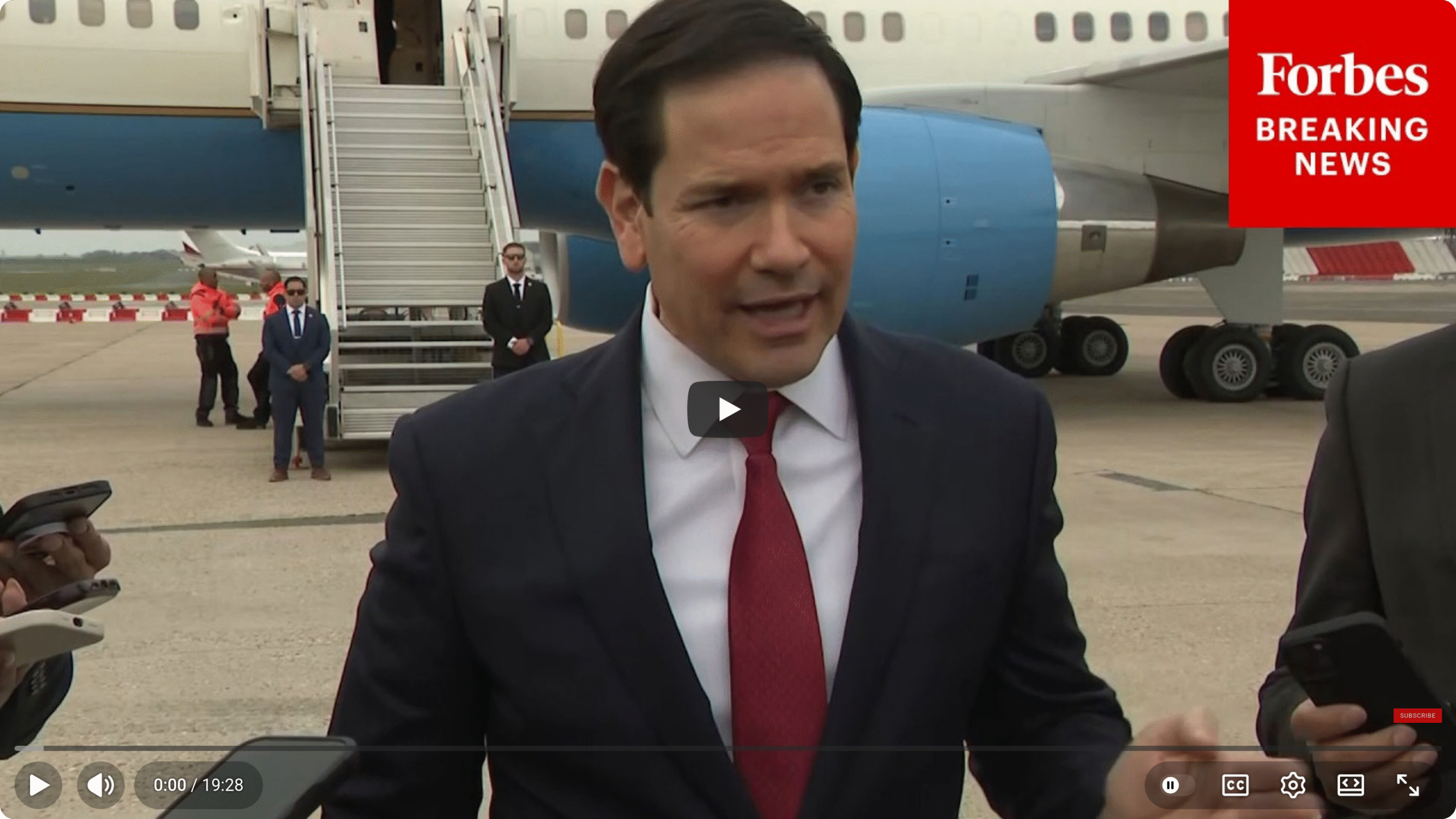
The conflict across the Middle East continues, and talks to end the war have not been successful so far. Multilateral attacks between Iran and Israel, Saudi Arabia, the United Arab Emirates, and Kuwait are worrying signs of escalation. Still, the US aims to finish the war in “weeks”: Secretary of State Marco Rubio said Washington expects to complete its Iran war objectives in the “next couple weeks”, leaving Iran “weaker”. At this point, we shall not repeat the news in our newsletter – we hope for a quick resolution – otherwise, a worldwide energy, food and economic crisis will develop.
At this point we would suggest the readers to increase cash and essential’s reserves (food and others), and to prepare for rough times. Any crisis will bring opportunities, but we must be prepared to take advantage of those opportunities.
Good luck.
Weekly Recommended Videos
Video: The Crisis Hidden Inside the Iran War
Channel: Patrick Boyle

Video: Ryanair CEO Michael O’Leary on preparing for increased fuel costs.
Channel: Quest Means Business

Video: BREAKING NEWS: Rubio Reveals Projected Timeline For Iran War’s End, Says Ground Troops Not Necessary
Channel: Forbes Breaking News